Air Defense. US: Zero
Why Russia and Iran are ahead: necessity

I am always indebted to the people who write messages and comments for me. Thank you—I learn so much — and you keep me thinking.
This interview is one result.
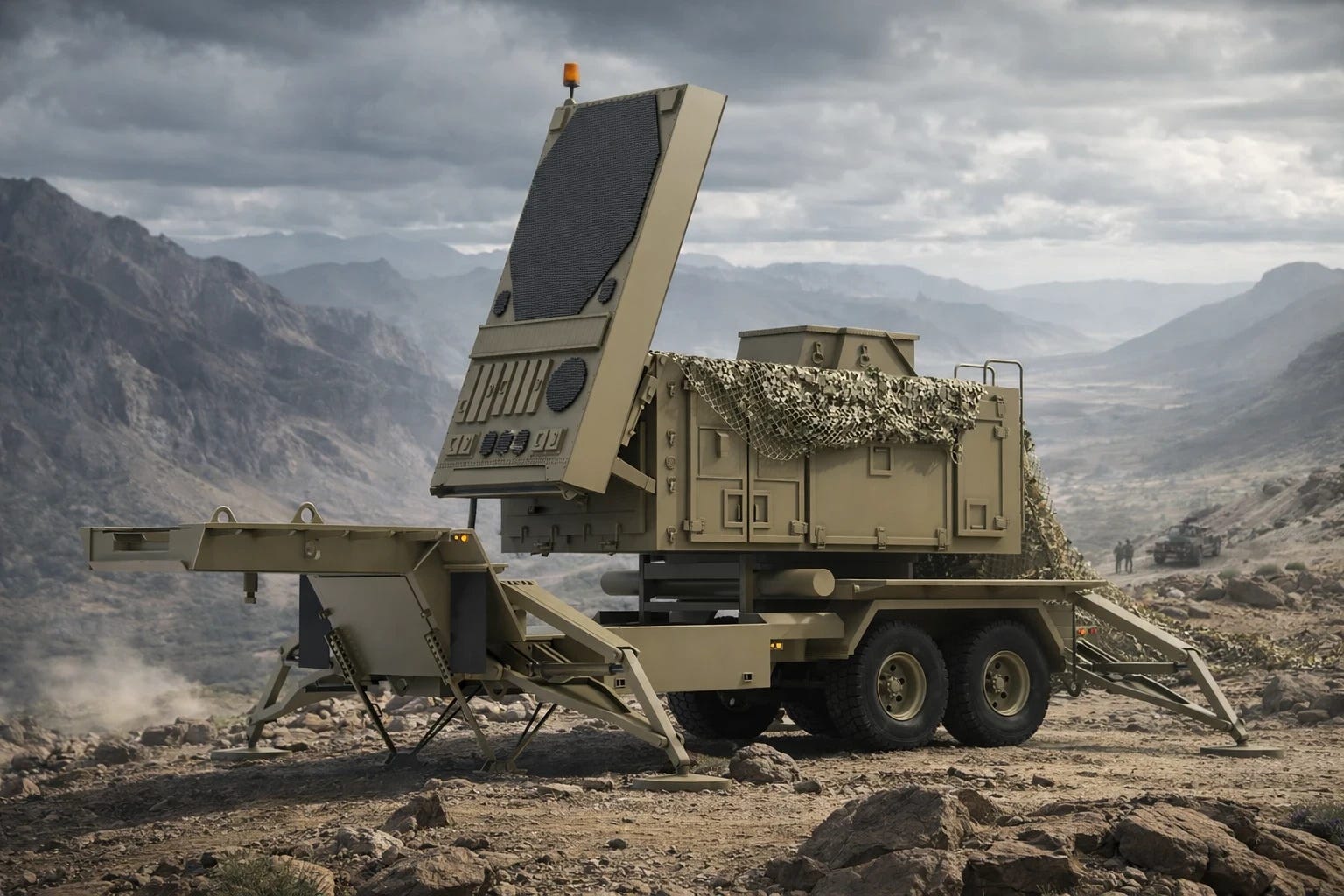
Postol points out a primary weakness of Patriot — among its many—radar.
The Raytheon AN/MPQ-65 radar
Capabilities
High-performance, C-band phased array radar scans airspace to detect, identify, and track aircraft, drones, and tactical ballistic missiles.
Mid-course TVM to Patriot interceptor missiles, updating their trajectories while in flight before the missile’s onboard terminal seeker takes over.
Phased array system with electronic scanning to track multiple targets simultaneously across a wide sector .
Take out this radar and the system is pretty much useless. If the radar unit is destroyed, the battery is completely blind. Because it relies entirely on centralized architecture, the battery cannot detect targets, track threats, or guide missiles that have already been launched.
As a result, the US has produced a system called “IBCS” —the Integrated Battle Command System — which decouples radars and launchers to network available radar in the area (including Patriot radars, Sentinel radars, and even F-35 fighter jets). If the primary radar is destroyed, the network instantly routes tracking data from a different radar to guide missiles.
Sounds great, right?
Wrong.
Complex digital systems have their vulnerabilities . The more complicated, the more problems.
Cyber Attacks
IBCS increases the military’s cyberattack vulnerability . If an adversary hacks the software , they can blind the entire theater network, feed false targeting data to operators, or intercept communication between units.
Since the system relies on millions of lines of code and continuously patches open-architecture software, securing it against malware or “Trojan horse” exploits is a massive, unending challenge.
Can you handle Captcha with an incoming missile about to hit in 30 seconds?
EW
Electronic warfare is eeeeeeeeeeeeeeewwwww…..ick.
IBCS relies on g mast-mounted line-of-sight radios and satellites to relay immense amounts of data between radars and launchers.
Powerful, broad-spectrum electronic warfare (EW) cam jam these communications
Severe or theater-wide electronic degradation will isolate individual launchers and radars.
Mobility Problems
The current system relies on large, heavy mobile command trailers called Engagement Operations Centers (EOCs) and large tents.
These heavy command units are too slow to pack up, and move, to keep pace with highly mobile, rapidly advancing (or retreating) combat forces, forcing the development of lighter, containerized “IBCS Lite” variations.
Complexity
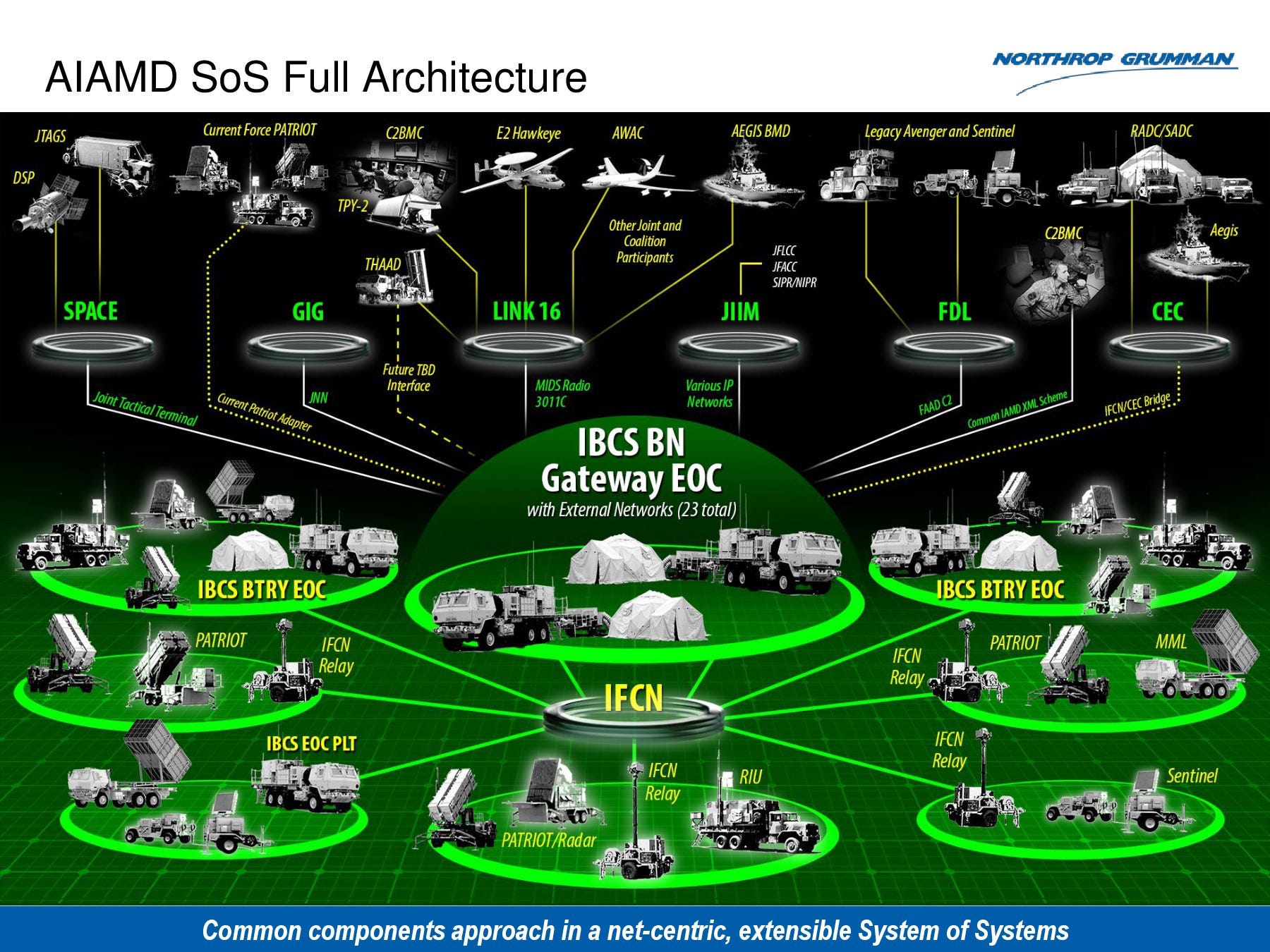
Tying together legacy radars and weapons that were never originally built to talk to each other is difficult. Like having 5 girlfriends or boyfriends at the same time.
Fusing data from different radar bands (e.g., C-band Patriot radars and X-band sensors) into a single, perfectly synchronized tracking picture in real-time requires a lot of processing power. Any minor software glitch or microsecond data latency can cause a tracking error, potentially leading to missed targets or fratricide (accidental shoot-downs of friendly aircraft).
Because fire-control software is so complex, adding a single new sensor or missile type to the network requires extensive, multi-year live-fire testing!
High Costs
As an exceptionally expensive upgrade package (ranging into the billions), IBCS drains defense budgets that could otherwise buy more interceptor missiles or launchers, not to ;aying. mention healthcare, education and pensions.
But, hey, you gotta protect yourself against a country that is a.) not your enemy b.) has no interest in anything but tourism.
Instead of looking at a single radar stream, operators in an IBCS trailer are flooded with multi-domain data streams. This requires highly intensive, prolonged training—and more operators, of course, to check each other.
As you can see this “workaround” suffers from high costs, complexity, and technological issues which may never be resolved. However, the US MIC is still trying to sell them. So far? To Denmark and Poland.
There IS another alternative.
LTAMDS
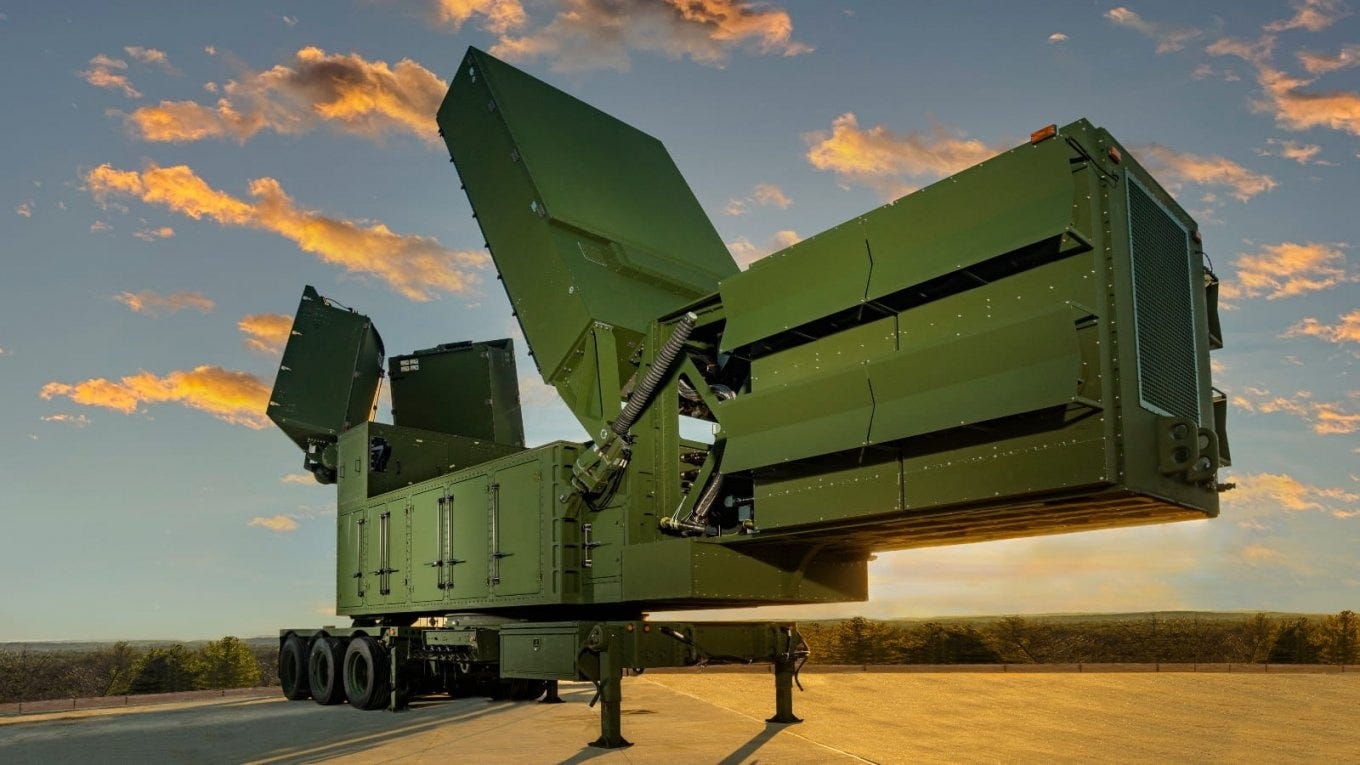
LTAMDS (Lower Tier Air and Missile Defense Sensor) offers.360-degree coverage: unlike the fixed AN/MPQ-65 which looks in one direction. It uses three radar arrays to see in all directions and relies on advanced Gallium Nitride (GaN) technology, which is harder to jam or target.
Problems? Of course there are problems — one especially.
China’s rare earths ban
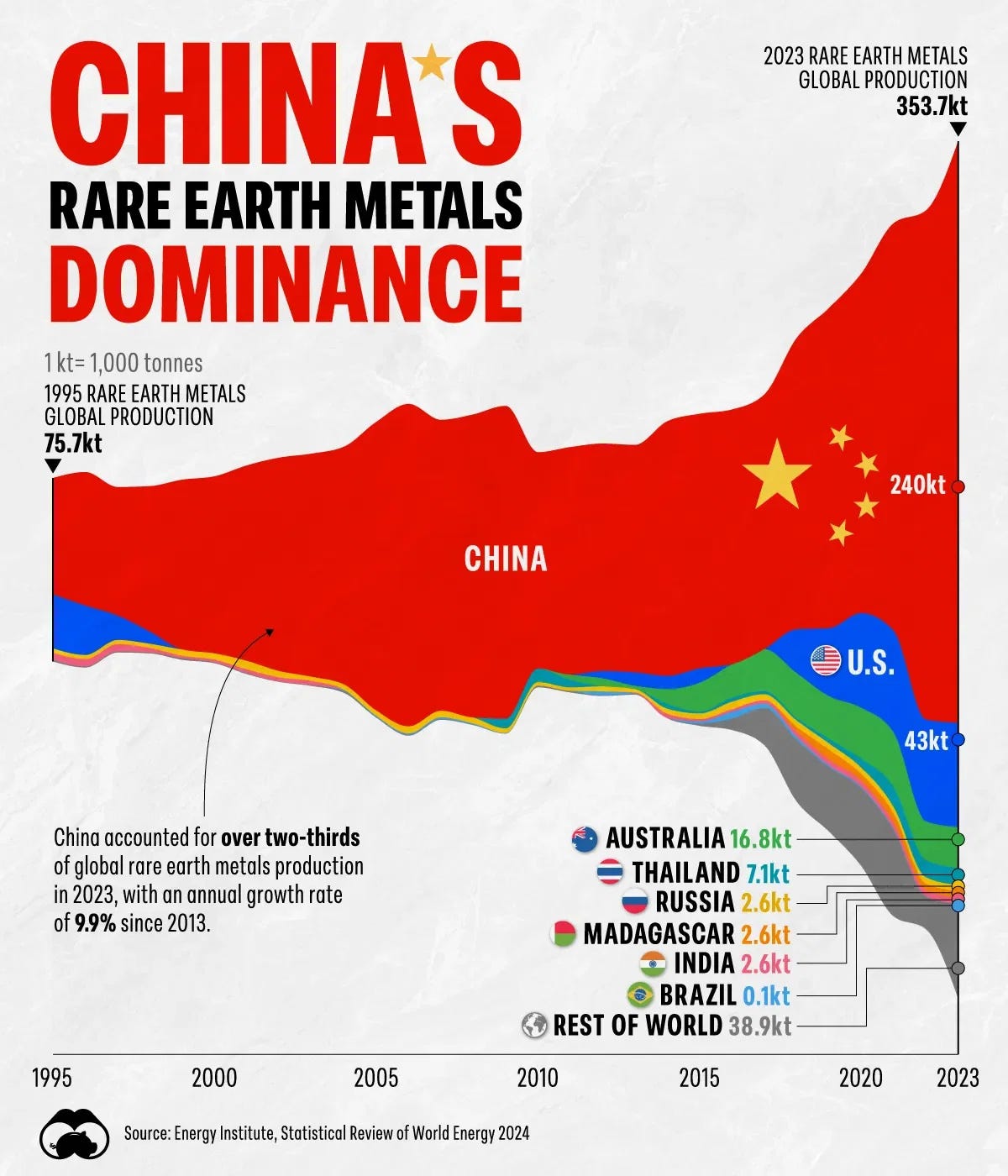
While China's gallium bans have failed to completely cripple the LTAMDS program, they raise production cost, slow down delivery, and inhibit the Pentagon from rolling out their radars globally.
Think of all those F35s without radar!
Now let’s compare the US approach with that of the Russians, which Postol was unable to comment on, which will no doubt deal with soon and I hope with more clarity than I can manage.
The Integrated Air Defense Network (Systemic Redundancy)
Russian air defense technologies are based on the lessons of the battlefield in adversary level combat, so they handle issues like system integration and redundancy. They also work within strict budget constraints. Putin is not going to sacrifice industrial and social development for big defense companies. In the US, the State works for MICIMATTS. In Russia it’s the other way around
The S400
The S400 is the mainstay of the aird efense system for missile and aircraft threat. Its main radars are:
the 91N6E ‘Big Bird’ (L-band): the primary early-warning system with a a detection range of up to 600 km and capable of targeting 300 targets simultaneously, very resistant to both (ECM) and stealth technologies.
the 92N6E ‘Grave Stone’ (X-band) tracks targets, computes trajectories, and guides interceptor missiles. It can lock onto and track and target up to 36 objects at once.
the 96L6E All-Altitude Detector (S-band) is an elevated 3D radar is optimized to detect low-flying threats such as drones, helicopters, and cruise missiles despite heavy clutter and mountainous terrain
If an S-400 radar is knocked out, the battery doesn’t necessarily need an identical replacement to keep firing. It patches into alternative mobile systems deployed nearby.
Nebo-M Mobile Radar :
This multi-band system is positioned near S-400 batteries. If the S-400’s Big Bird goes down, the Nebo-M can feed tracking data directly into the S-400 command post
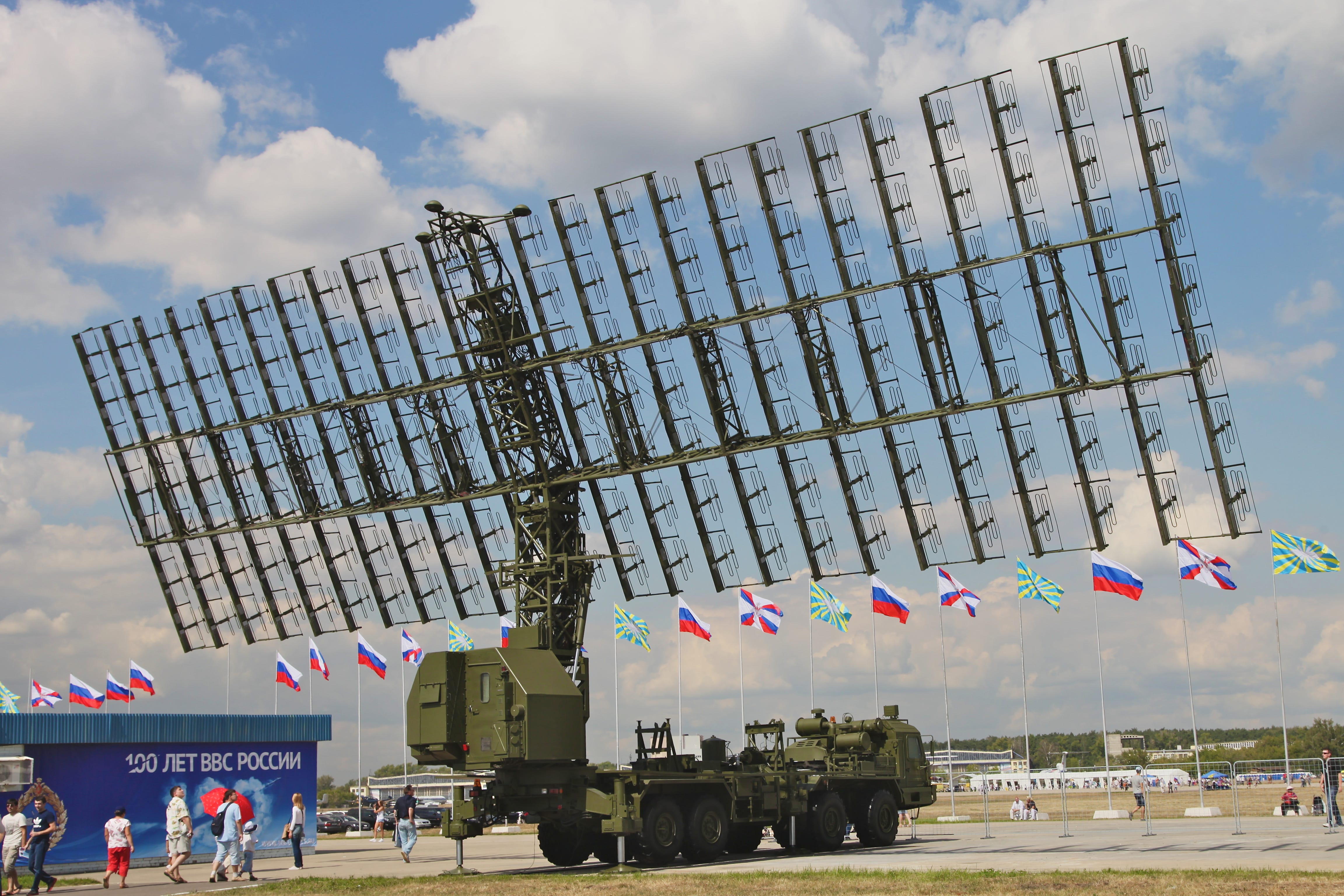
The Podlyot and Kasta Radars:
Mobile, low-altitude acquisition radars that can plug gaps when primary S400 sensors are targeted.
Backwards compatible
The S-400 s backward-compatible and can accept live targeting data from older, systems within range like the S-300V4 or S-350 Vityaz radar networks
System redundancies, optimization, and network
A standard, doctrinally complete S-400 regiment features between 5 and 7 total radar units, depending on whether optional specialized radars are attached.
Because an S-400 regiment is broken down into a Regimental Command Post and two subordinate Fire Battalions (divisions), the radar units are distributed across these tiers to create a unified network:
1. Regimental Command Level (1 Core Radar)
This implies overall control.
1 × 91N6E “Big Bird” Acquisition Radar:
2. Fire Battalion
Each is an independent firing unit. Each battalion requires its own dedicated radar hardware to guide missiles:
2 × 92N6E “Grave Stone” Target Engagement Radars: One per battalion. These are the critical fire-control radars that lock onto threats and actively guide the surface-to-air missiles to their targets.
2 × 96L6E All-Altitude Acquisition Radars: One per battalion. These act as the primary local search tools, optimized to catch low-altitude or high-speed threats bypassing larger grids.
3. Optional Regimental Attachments ( Extra Radars)
Depending on the specific theater and threat environment, a regiment’s command post can be reinforced with specialized auxiliary units:
Protivnik-GE or Gamma-DE (L-Band/D-Band): Added for enhanced high-altitude, long-range 3D tracking.
Nebo-M or Nebo-SVU (VHF-Band): Frequently attached to counter stealth aircraft and low-observable cruise missiles.
The S400 is usually combined with with point-defense systems like the Pantsir-S1 or Tor-M2 to intercept anything the long-range missiles missed.
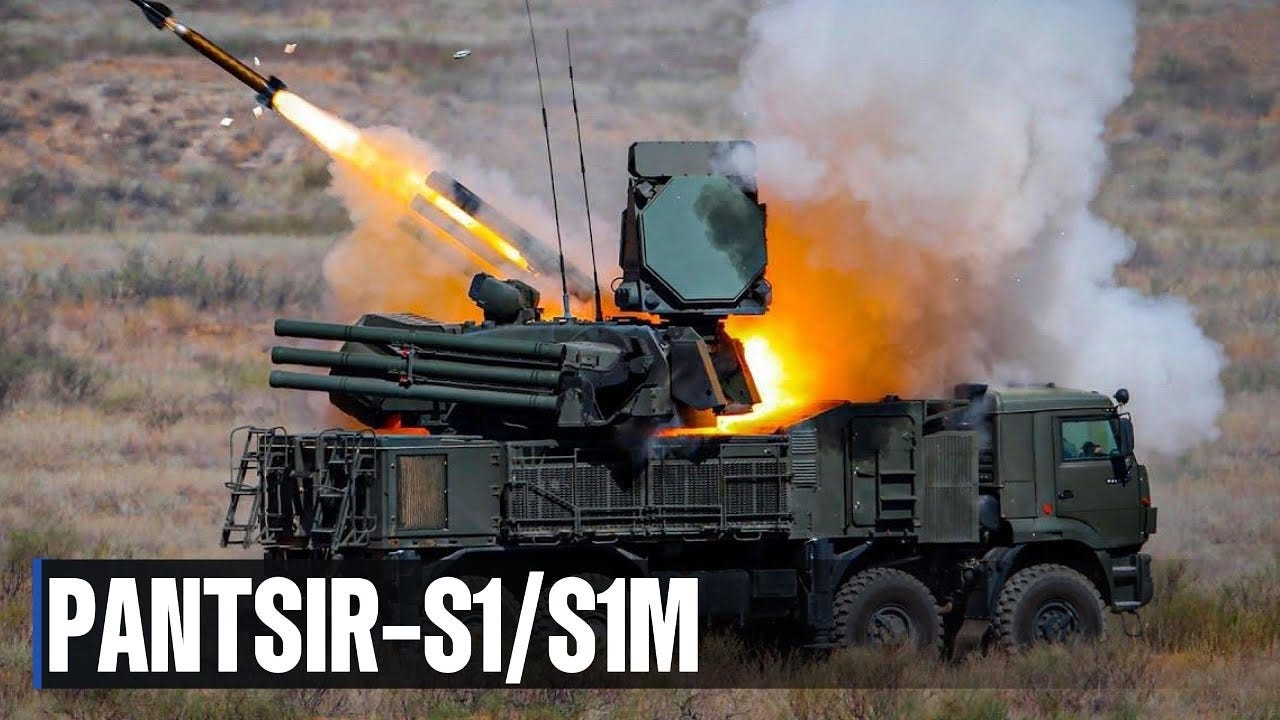
It can also network with the S500 and make use of airborne early warning (AEW) radars (like the A-50U) . It can be integrated into national, multi-service command and control networks such as India’s grid containing the indigenous Akash and Barak-8 systems)
It is also being constantly upgraded.
Itis being modernized with Active Electronically Scanned Array (AESA) radar to better handle modern hypersonic, stealth, and electronic warfare threats.
While the standard baseline S-400 initially entered service using passive electronically scanned array (PESA) radars like the 92N6E engagement radar, AESA upgrades are replacing them.
1. The “Yenisei” AESA Radar
The most significant hardware upgrade is the 98L6 “Yenisei” AESA radar.
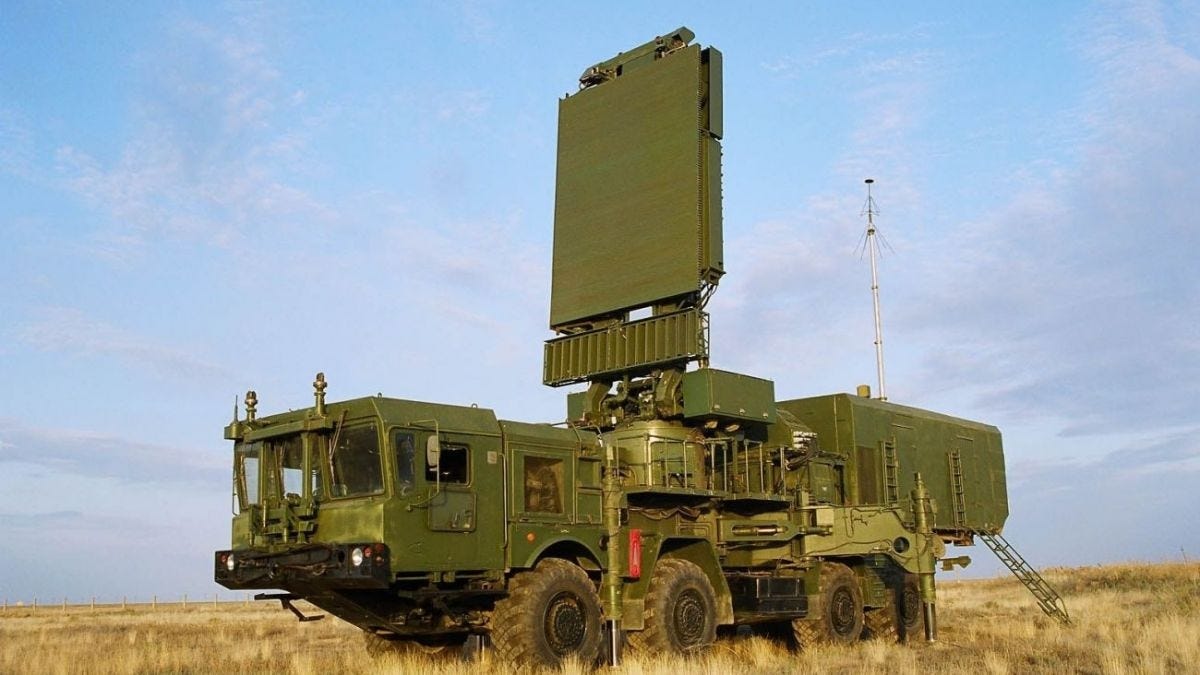
Hypersonic & Stealth Tracking: Fully digital, dual-band AESA system explicitly engineered to detect and track low-observable (stealth) aircraft and targets traveling at hypersonic speeds.
High Electronic Jamming Resistance uses fast beam steering and superior electronic counter-countermeasures (ECCM) to maintain locks even during heavy electronic attacks.
Multitarget Capability. It serves as a multi-functional fire control radar that can track a higher density of simultaneous threats.
2. Multi-Band AESA Network Integration
Instead of relying on a single radar, upgraded S-400 regiments are frequently paired with specialized external AESA radar complexes to build a massive detection umbrella:
Some features
Nebo-M Radar Complex: A mobile system composed of multiple L-band, S-band, X-band, and VHF AESA radars. This allows the S-400 system to utilize long VHF waves to detect the silhouette of stealth targets, while relying on higher-frequency AESA radars for missile guidance.
Gamma-DE Radar: A fully solid-state, digital L-band AESA radar integrated to provide early warning and highly precise tracking data.
Advanced software, which enhances performance, drastically improving signal-to-noise ratios, so standard baseline hardware can detect smaller, low-observable targets like drones and stealth fighters using updated algorithms to better classify incoming threats and optimize fire-control workflow.
Semiconductor Evolution: GaAs vs. GaN
The performance of any Active Electronically Scanned Array (AESA) radar depends entirely on its Transmit/Receive Modules (TRMs). The core material of these modules determines how much power the radar can emit without melting itself.
Gallium Arsenide (GaAs): This is a second-generation AESA material. It has been the baseline for older Western and Russian designs. It works well but faces clear limitations in maximum thermal thresholds and power density.
Gallium Nitride (GaN): This represents third-generation AESA technology. As a “wide-bandgap” semiconductor, GaN can handle significantly higher voltages, operating safely at much higher temperatures. This translates directly to up to ten times the power density, resulting in vastly superior tracking ranges, finer target resolution, and intense electronic jamming capabilities.
The US and GaN
The US feels it has an edge over other countries in third gen AESA radars because of its background in proprietary technologies for manufacturing complex chips. However, it has a problem, partly because those technologies are “proprietary” and comparisons are difficult.
China controls roughly 90% to 95% of the world’s high-purity, semiconductor-grade gallium which it produces at prices and in quantities no one else can match. Beijing's aggressive use of export restrictions and rare material bans for creates a serious, long-term supply-chain crunch for Western defense networks which has resulted in a lot of F35s without radars.

China and Russia have signed a framework to co-develop a comprehensive next-generation air and missile defense systems to target hypersonic and ballistic threats. And, under these agreements, China provides advanced microelectronics and AI modules, while Russia provides combat-tested data from the front lines of Ukraine to train Chinese counter-drone algorithms. Chinese military delegations have already met with Almaz-Antey (the state manufacturer of the S-400).
China also facilitates transfer of “gray market” electronics through Hong Kong, which Russia uses in drones and cruise missiles.
The US prefers to keep everything “in house” which means more expense and lower rates of production. The issues are clouded by propaganda with the US usually quoting the Kiev regime in its assessments of Russian technologies as “second-rate”.
In any case, US MIC companies have started manufacturing drones using consumer electronics, which allows greater volume although not necessarily at lower prices. Part of the reason for raiding Walmarts is, of course, a shortage of rare earths
In any case, Russian and Chinese collaboration is mutually beneficial . China’s strengths are well-known. Russia is particularly prominent in single-crystal (SX) casting, advanced metallurgy, and thermal barrier coatings (TBCs) necessary for high-temperature aerospace engineering.

single crystal 3D printed
Obviously, Russia has its problems with economy and industry and it will take a long time to restructure it society.
However, the existential challenge of war with the West, provides incentives for reform and development in all areas. The country has not mobilized; it does not have a ‘war economy” — its focus is civilizational.
It is not in a hurry. The process is step by step, looking far into the future.
By contrast, the US IS a “military economy” without an existential threat. In this sense, the driver is greed and vanity. The “future” is a news cycle.

Healthcare, education, social services all suffer while the MICIMATT conglomerates and their tiny cabal of owners prosper.
Russian complain bitterly about all sorts of things, but they also see progress of some time— they have hope.
In the US, hope is an endangered species.

Support New Forensics.
Help Ichi and Chappy and the toilet guy, Julian.
Show us a little love by buying us coffee at https://buymeacoffee.com/julicow. We really need the love this month .
I am truly grateful to all those who have helped and enjoyed replying to almost everyone today on the coffee site.
So many nice people! I may sound pessimistic about things sometimes — but these people give me hope when I read their messages.
I would really like to get to 5000 subscribers. If you like my work, post the urls on other blogs and sites and in comments on podcasts.

Must Read. Paul Snyder posted the link in comments on my last post. I was soooooooooo impressed and since not a lot of people read the comments, I wanted to share.
Thanks to Paul!
"Can you handle Captcha with an incoming missile about to hit in 30 seconds?" 🤭
"By contrast, the US IS a “military economy” without an existential threat. In this sense, the driver is greed and vanity. The “future” is a news cycle." - as Vox Day and others are saying - it's the ONLY industry still left in 'Western Civilization' - the others were transferred overseas in the interest of profits for Clown World - beginning in 1970 - all of which are now paying their off their due consequences.....one step at a time.
Thanks, Julian!