Putinomics
Downturn or Upturn?

Today’s special content for coffee buyers is about China and its diversity. One of my favorite places is Yunnan, home of the one last matrilineal, quasi-matriarchies—populated by the Mosuo people.
Buy a coffee and support me and also learn about “walking marriage”.
Russia, like China has a future
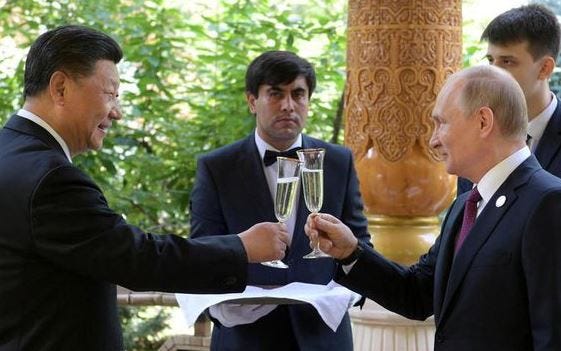
Last time I talked about how the West (the US ) tends to project its own problems onto China, assuming for example, that there are various “crises” in China, just as there are or have been in the American “market”.
The difference is really between economies that are financialized so success is measured in numbers, increased value of stocks and bonds and economies where success is understood in productivity and improvement of public life.
Such projection is a sad mistake in the case of China. The US falls behind year by year— despite what Google says.
We can also see something similar in the case of Western assessments of the Russian economy. The West simply doesn’t learn.
First, sanctions were supposed to cut Russia off at the ankles.
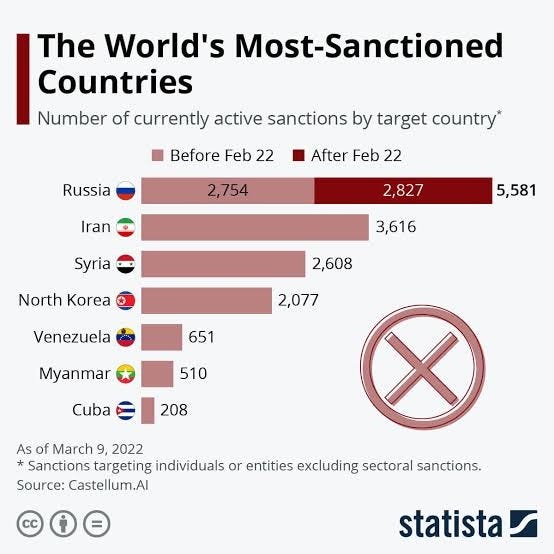
That failed, as you know.
Then, came the argument that Russia’s was a “war economy” and would collapse under the weight of massive expenditures

CSIS
.But the economy grew. It was the economies of the West that came under pressure. Ukraine was a blackhole sucking cash into an alternate universe.
Then, this year Western analysts leaped for joy to see what looked like a “cooling” of the Russian economy, : “See, we were right”.
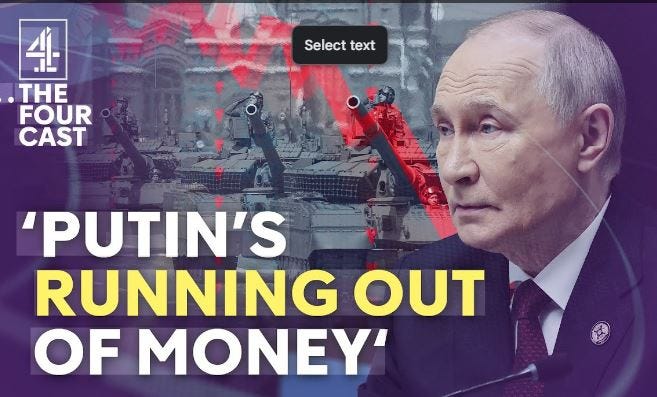
No, wrong again.
They would have been right, if Russia were the US of A. Or if their economic predictions were not just wishful thinking.
Russia’s current economic “downturn” as it repetitively called — actually reflects progress: it is what you would expect in an economy that is shifting its orientation, adapting, evolving and developing in new directions.
The Russian government, specifically top officials like Deputy Prime Minister Alexander Novak and President Vladimir Putin, frame the country’s mild deceleration—where GDP growth projections fell to 0.4%—not as a failure, but as a deliberate, progressive milestone.
How could that be?
Normalization and “Cyclical Correction”
Natural Post-Boom Reset:
The slowdown is healthy stabilization after a boom period which has been accompanies by rapid change, the lessons of which must be absorbed. ..
Soft Landing and directed development:
This slowdown is deliberate and controlled, starting with central bank monetary tightening to curb inflation and rein in raw growth in favor of stable and directed development in specific areas, some of which are new and require new goals.
Economic dynamics are cyclical in market economies. After high growth, there is always a correction. Boom and bust would be normal for a Western economy. In Russia, there had been a boom, but the country avoided a “bust”.
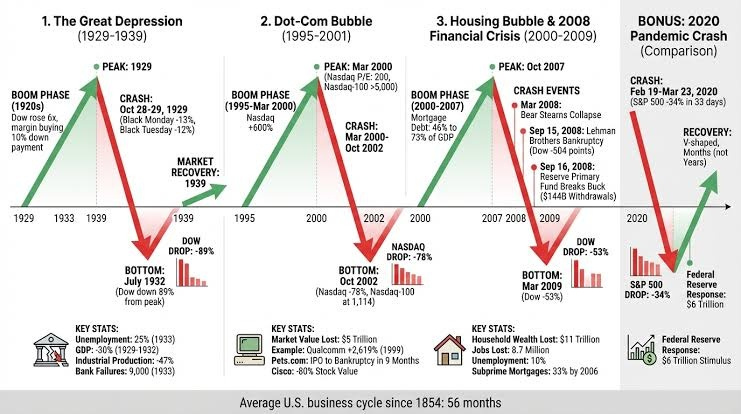
Rather. Russia entered a recovery period after intense activity, rather like an athlete needs rest after training hard. This is a normal stage for the economy. It’s like training for sports. After intense training, you need a change of pace, before returning stronger and better.
No good will come from forcing yourself until you drop.
Structural Transformation: The slowdown is categorized as a necessary friction period while shifting the entire economic architecture, transitioning to a “supply-side” economic model, strengthening the social and industrial base.
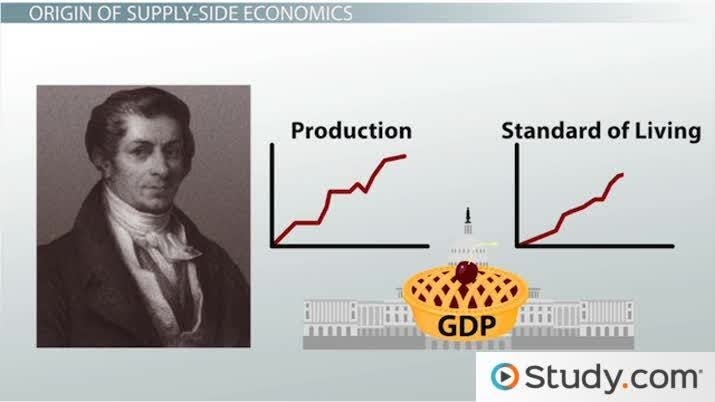
Domestic Supply :Russia is successfully building an autonomous “supply-side economy.” The cooling phase allows resources to be reallocated to new, internal manufacturing chains.
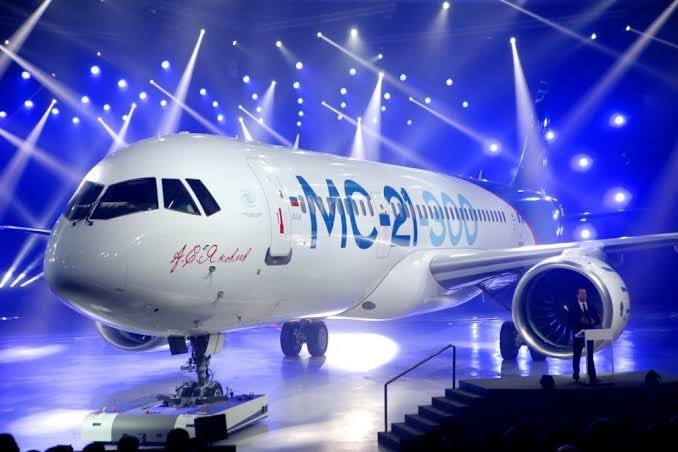
Import substitution: Russia is no longer dependent on Western sources for many products to support its industry. A good example is the MC21 aircraft which uses no foreign components and has avoided the problems afflicting tits Chinese equivalent, the COMAC C919 which is hobbled by supply chain issues as a result of its reliance on foreign components.
Deliberate Redistribution of Wealth
The collapse of the USSR led to massive redistribution of wealth into the hands of nomenklatura who became the “infamous” oligarchs. Putin was able to purge some of them and bring the rest to heel, more or less, since they were necessary to keep the economy functioning.
But the SVO offers opportunities to weed the garden and promote meritocracy.
Labor Structural Shifts: That so-called “downturn” allows a shift in how GDP is apportioned. .
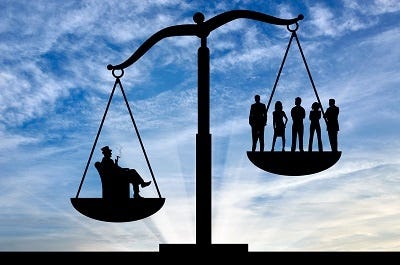
In 2022, corporate profits surged, but today’s economy features a higher share of labor compensation, which amounts to progressive redistribution empowering ordinary workers and offering improvements domestic income.
This has been accompanied by aggressive prosecution of corruption at all levels and in all areas.
Strategic Budget Consolidation
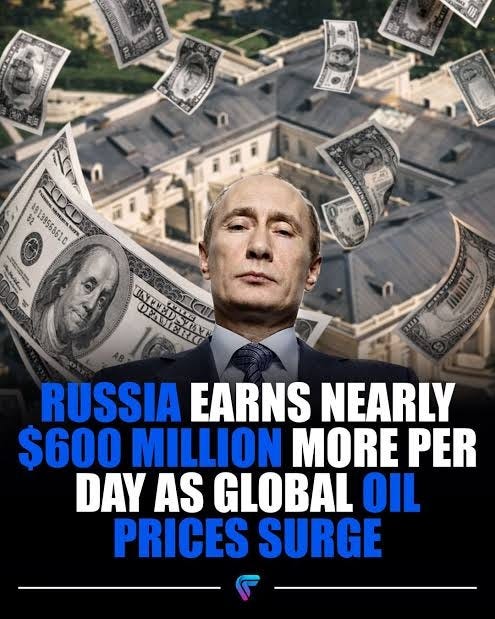
Conservative Risk Planning:The downward adjustments in growth forecasts are based on conservative assumptions, such as pricing baseline oil budgets at just $50–59 per barrel. – a fiscal restraint which safeguards state funds – and is not in any way a symptom of an organic economic “crisis”, as some Western analysts suggest.
Pivot to New Global Alliances
Geoeconomic Sovereignty:The slowdown as a foundation for long-term, sanctions-proof growth.
It also reflects Russia’s commitment to the BRICS alliance, with a focus on Africa, and Asia, insulating Russia to some degree from the effects of turmoil in Western markets.
Developmental goals Rather than rely on foreign capital as the US does, leveraging the dollar as a reserve currency to get corporations around the world to buy US treasuries nnd invest in Wall Street, the Russian state injects capital into civilian and domestic infrastructure, rather than dead-weight military consumption.
Military budgets are carefully structured to yield spinoff benefits for the rest of the economy in terms of new technologies—automation, AI, robotics, new materials.
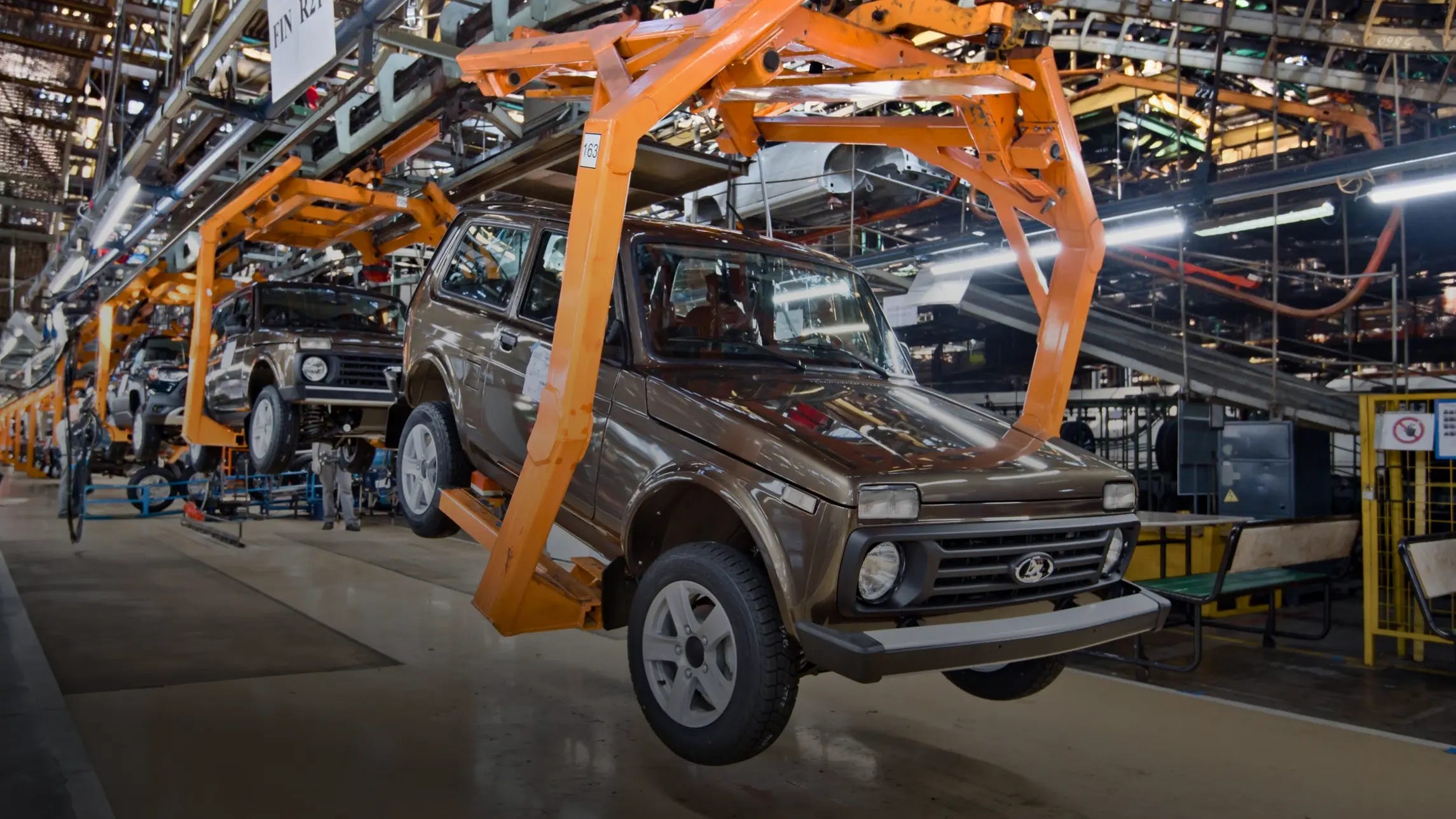
Putting aside the military, the development of Russia’s industrial and infrastructural base is multi-faceted.
Multiple use logistics
Immense capital has been diverted to build the “International North–South Transport Corridor” (INSTC) and expand the Eastern Range (Baikal-Amur Mainline and Trans-Siberian Railway).
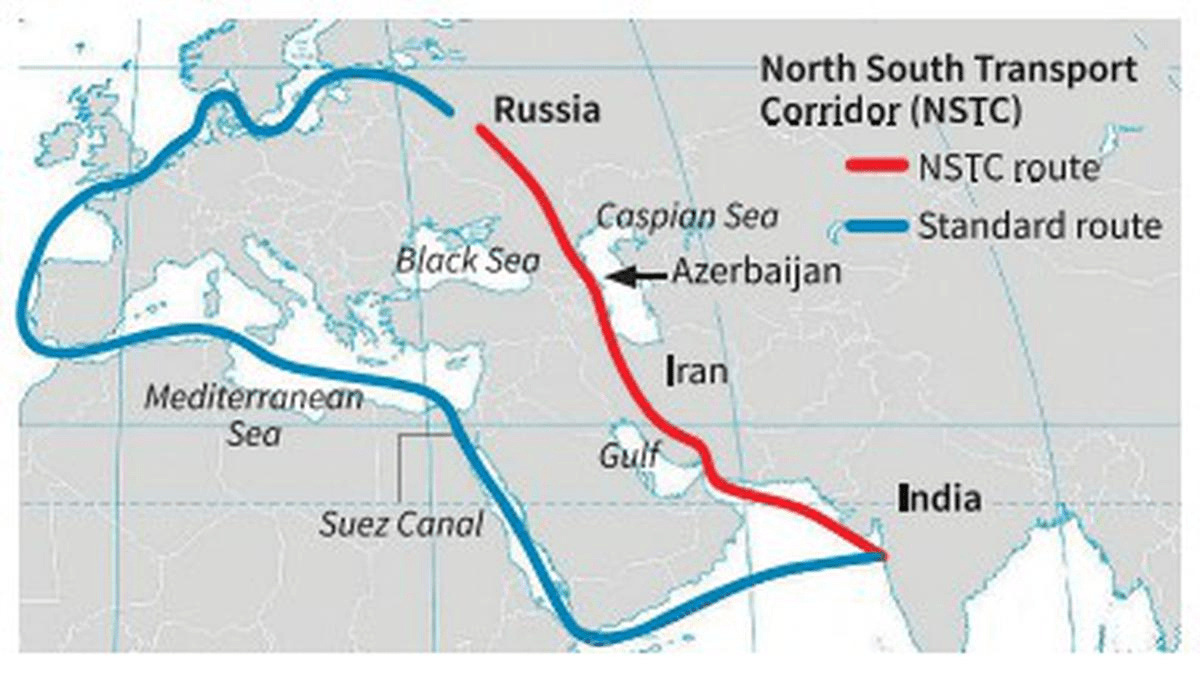
Long-term economic benefits: This represents a permanent pivot to Asia and the Middle East. While it temporarily cools liquid economic growth, it builds long-term commercial capacity.
Civilian / Military overlap: deep-water ports, and highways expansion will lower domestic business costs for decades, besides providing military supply.
De-centralization and Regional Development
Subsidizing the Hinterlands: Russia’s far-flung regional economies benefit from massive budget transfers away from Moscow and St. Petersburg.
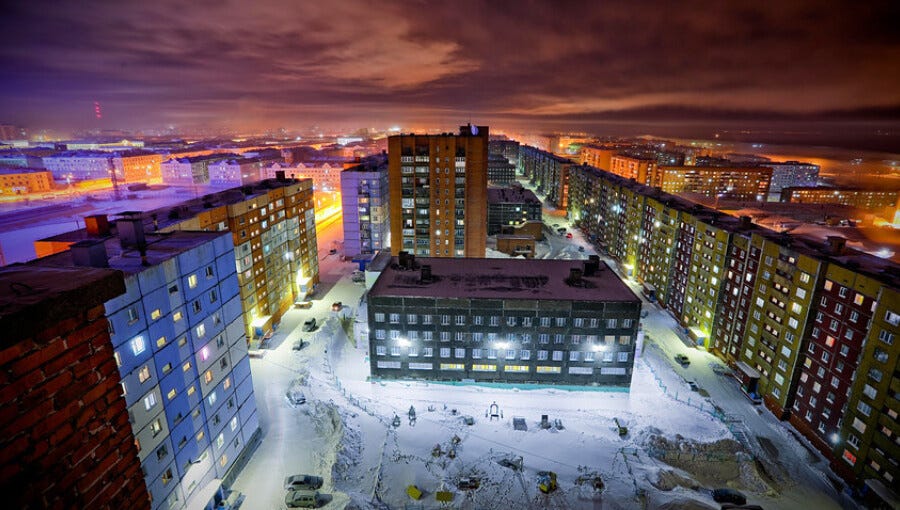
Industrial Reshoring: Funding regional factories, specialized economic zones, and local connectivity reduces regional inequality and stimulates domestic competition and growth.
Long-term balance: Short-term economic downturn is natural enough with the state forcibly shifting wealth from financial services to domestic manufacturing hubs, which temporarily reduces short-term output but builds a more balanced internal economy.
Human and Social Capital
Demographic Stabilization: Resources are being redirected to human and social capital and . These include education, multi-child family subsidies, low-interest mortgage programs, and veteran pension frameworks. The aim is reverse demographic decline and encourage productivity at the community level.

Labor Retention: Increasing funding for health, welfare, and education preserves and upgrade the domestic workforce, improving productivity, workplace creativity and innovation.
Technological Leadership and Import Substitution
National Projects The Russian state funds“Technological Leadership Projects” in fields like domestic IT, AI, new materials, digitaliztion, civil aviation, medicine, and precision engineering.
Long-Term ROI heavy capital expenditure hurts a nation’s wallet in the short term and GDP growth rates.However, it generates an immense return on investment (ROI) once the results begin to bear fruit, which often takes some time, as was the case with FDR’s development programs, whose benefits took more than a decade to be realized.
FDR was able to leverage WWII to achieve maximum results. Putin is leveraging the SVO and the hybrid war with the West.
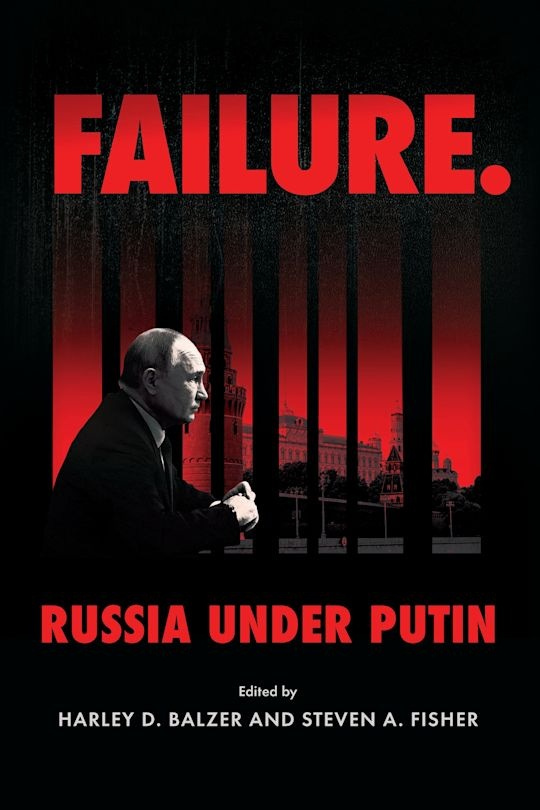
That said, you will find that the MSM contradicts almost everything I have said. They continue to insist Russia is failing.

Pressure
Below are the mailboxes for my apartment building.
Those with the brown tape are people who have been “persuaded” to leave — a somewhat passive aggressive reminder to those of us still there!
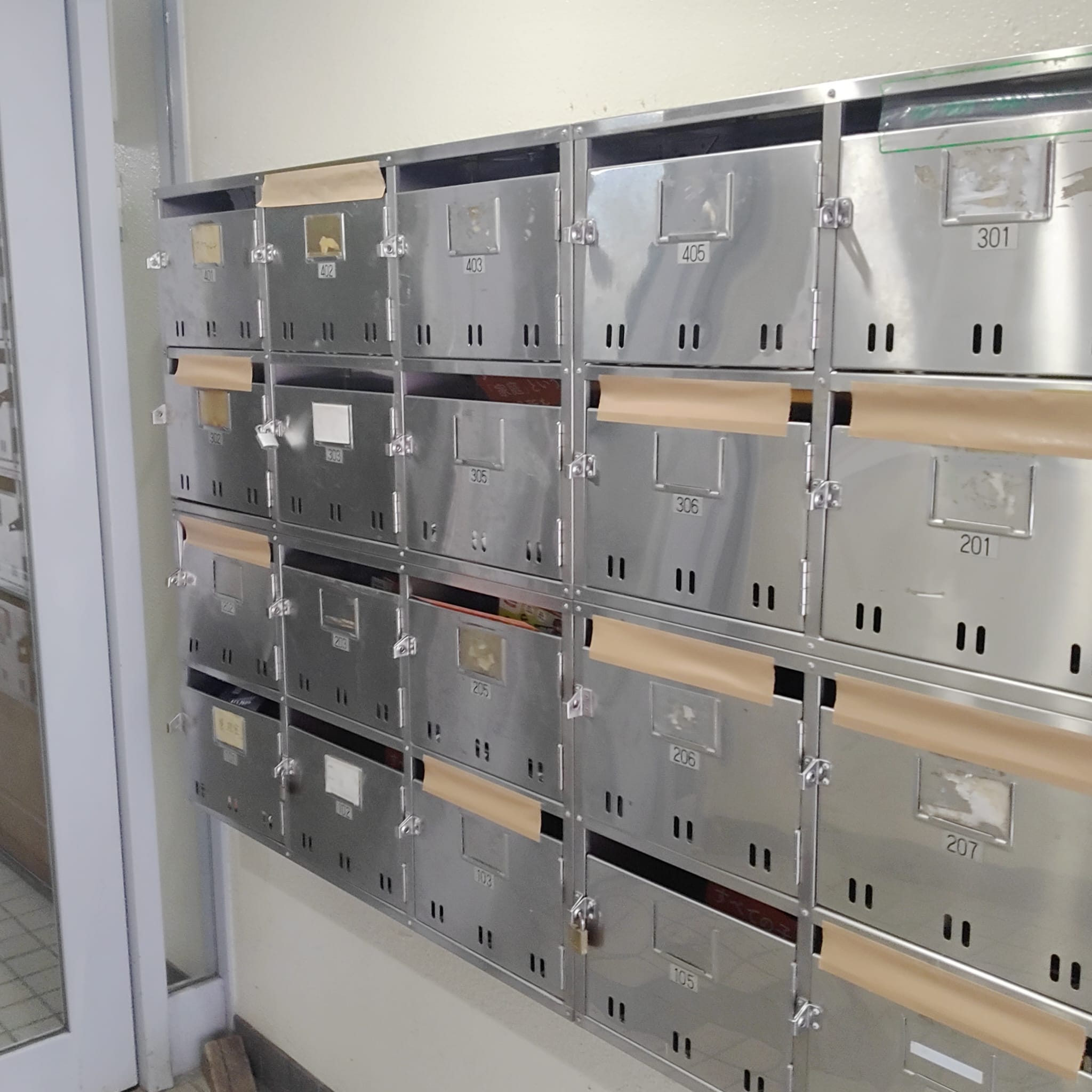
The pressure is mounting…. It will take time. Your support, particularly messages of encouragement mean a lot to me. Thank you!
A very massive update for me Julian...
Bookkeeping... I hated that at school. When I had a limited liability company, I hired a bookkeeper.
And now i have you...
Just saying.
Cassandra
If Mr. Xi wants to send a clear message to Mr. Trump, he’ll politely decline any suggestions that China’s airlines should buy Boeing products and instead suggest China’s airlines might buy the Yakolev MC-21.