Where there's a will.....
there's a way

When Putin took office as President, one of his first initiatives was to de-privatize 90% of Russian industries which had been sold off to oligarchs and foreign investors.
The Oligarchs were not happy, course.
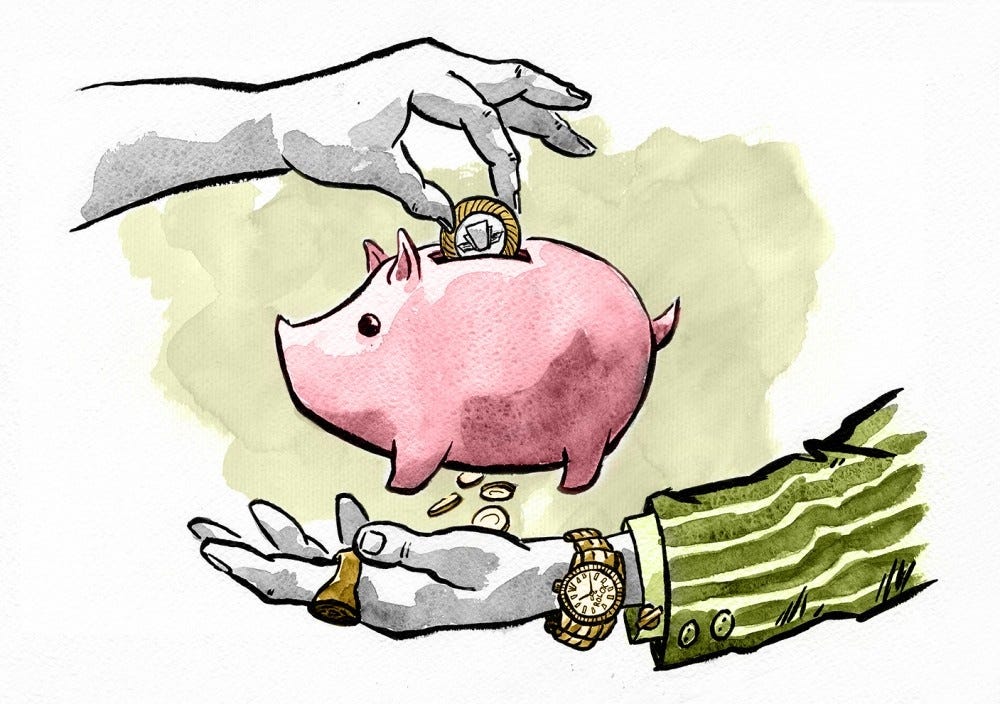
Putin’s message to them was simple, you can stay and prosper—If you perform and it benefits the public good. Otherwise, not.
That kind of meritocratic vision did not appeal to some, who moved to the West, Bill Browder among them.
The economy prospered. Russia grew. People were happy despite the Second Chechen War, and then the Georgian War, and Ukraine and sanctions.
But many of Russia’s problems - -such as entrenched bureaucracies, corruption and an “old boy system” emphasizing nepotism, cronyism and patronage —issues going back to the Czars, were hard to fix. Russia was now committed to capitalism just as China was, but, as with China, only to the extent that it worked, and delivered what it promised. There are many capitalisms. The the “bottom line” as not the same as in the West where it was the plus column on investors’ spreadsheets: it was something hard to calculate with Excel — the public good, realizing the promise of the future.
Putin grew up in communal housing, on the streets. He was ultimately proletarian. He advanced through sheer merit and moral conviction rather than ideology. So it is not surprising that he should be pragmatic — and therefore meritocratic.
That mentality has resulted in Putin working to shakeup the defense sector ad the military and to carry out extensive anti-corruption investigations, as well as his current drive to give special advantages to talented combat veterans who have proven their commitment to “serve”.
Putin’s “second deprivatization”
Vladimir Putin’s “second major deprivatization” began in 2020, focused on local enterprises involved in disputes ..
For example, Bashkir Soda Company (BSK) was caught up in in massive local environmental protests complicated by local politics. To bring order to the chaos, the state took control of the company’s shares, then restructured its management and supply chain. It then restored Bashkir to private management under the holding company Roskhim, which is nominally private but, in the final analysis, operates under supervision by the state.
Following the beginning of the SMO in 2022, there were more law-suits filed to cull private sector companies of long-standing CEOs of dubious competence or integrity, and replace them with younger, more capable leaders without seizing equity.
The initiative was a success and delivered results.
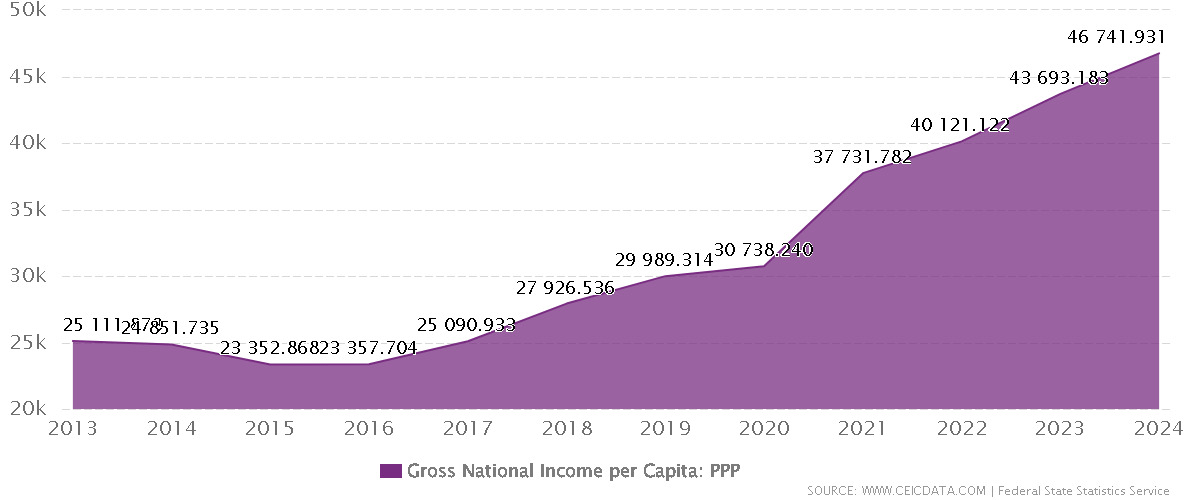
So, from 2023, the program became a national project, with dozens of lawsuits, resulting in expropriation of over 180 companies!
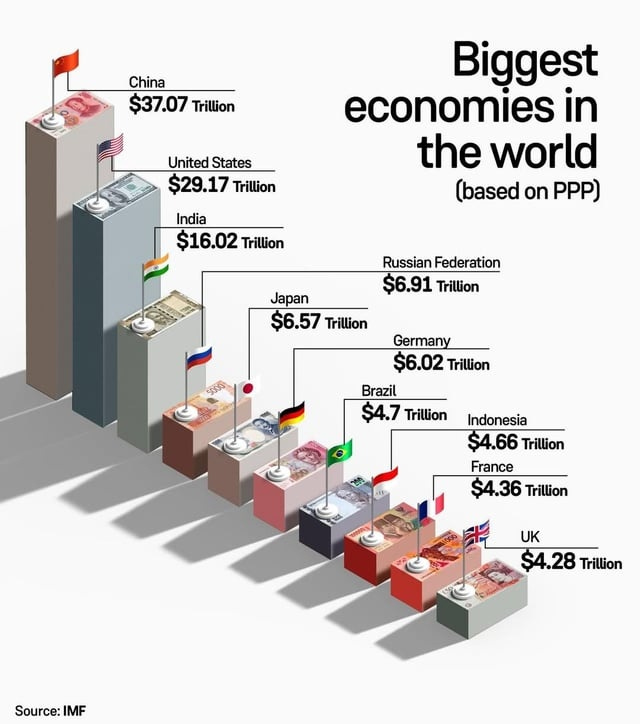
By mid-2026, the Kremlin had taken control of private assets valued at over $50 billion, reshaping Russia. Yet at the same time, Russia was becoming an economic powerhouse, surpassing Japan and Germany.
The mechanisms, drivers, and targets of this structural upheaval are driven by several key factors:
After Russia’s Constitutional Court abolished the statute of limitations for privatization, the courts have ruled many decades-old, post-Soviet privatizations were illegal. Putin’s strategy was cemented
Businessmen who left Russia, became residents abroad, or hold foreign citizenship have had their properties classified as “foreign-owned assets” and seized for strategic security violations.
The courts have also applied anti-corruption and anti-extremism laws, especially in the case of companies dealing with strategic products.
The first wave focused on the energy sector. The second was diverse --including Rusagro (a $7.7 billion agricultural holding ), Domodedovo Airport ($4.4 billion), Yuzhuralzoloto (gold production), and Makfa (Russia’s largest pasta producer).
It included the assets of major international companies that attempted to exit or pause operations—such as Danone, Carlsberg (Baltika Brewery), Uniper, and Fortum—which were placed under “temporary” state management. And naturally it looked at factories producing ammunition, chemicals, machinery, and metallurgy ensure uninterrupted supply for the war effort.: The campaign punishes the old, first-generation, Western-oriented oligarchs who grew rich under Boris Yeltsin or expressed implicit dissent regarding the war.
The state either uses these privatizations to ensure the defense sector or to generate revenue for a variety of public programs and development projects.
Seized assets go to people who the Kremlin feels have proven both trust and competence. Danone, for example, went to Ramzan Kadyrov’s clan in Chechnya, where it has been hugely successful, much more than before.
While Western financial circles are highly critical of what they see as cronyism or patronage and the creation of an new generation of oligarchs, the program has been remarkably successful. What the State giveth, it can also take away. It is meritocratic.
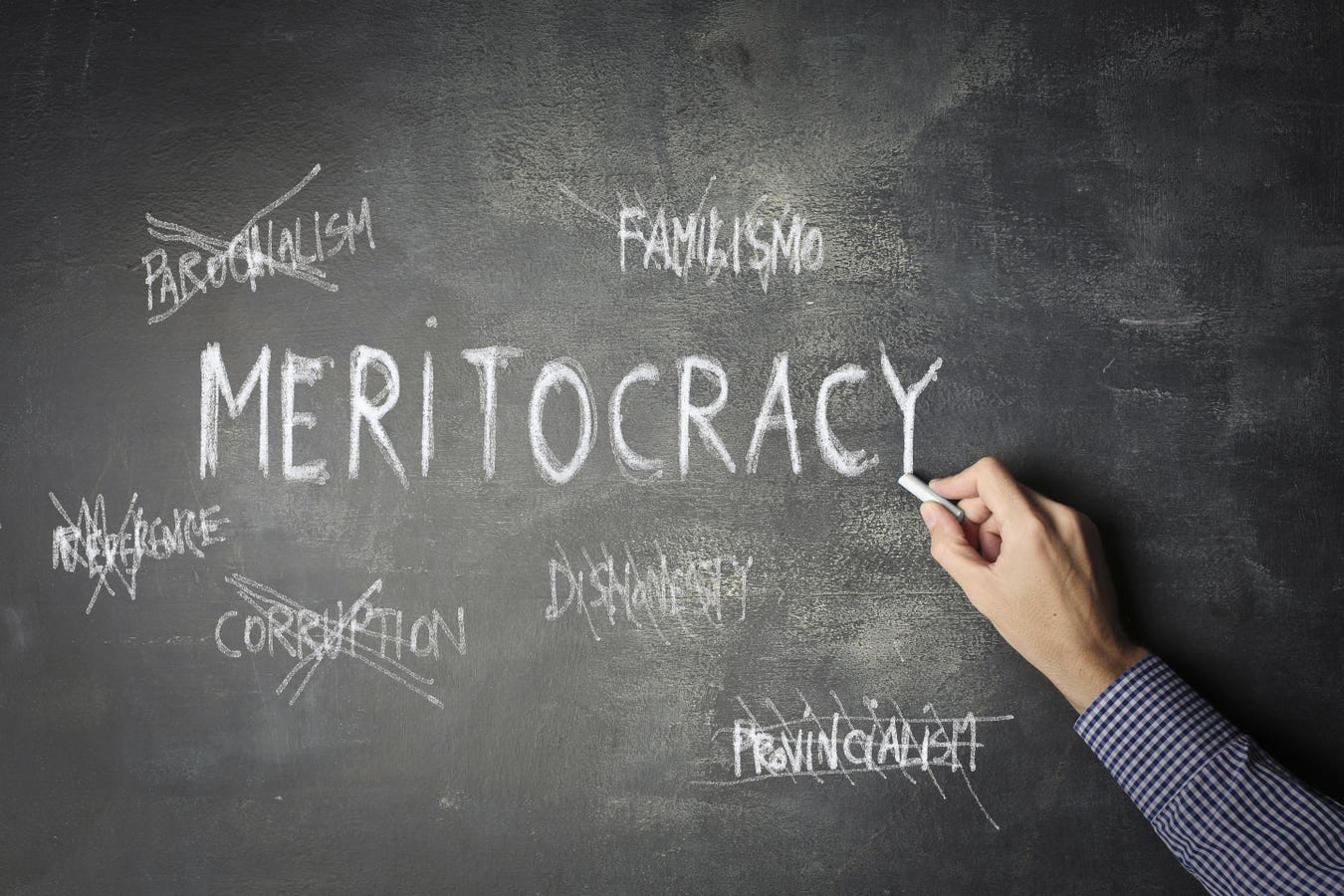
This is a kind of “state capitalism” . Profit is fine – if you perform. And Russia’s economy has grown remarkably from 2020 on.
Putin, of course, would not have been able to make such sweeping changes without the challenge of Western sanctions and the challenge of the Ukraine proxy war, now exacerbated by European Russophobia and Kievan terrorism.
One of the effects of Putin’s reforms has been the ability to respond quickly to unanticipated challenges.
For example, Ukrainian attacks on Russian refineries have led to some damage, usually quickly repaired —but sometimes not, in the case of refineries built before sanctions using foreign-made components. Russian industry is responding trying to engineer its own components. Of course, the West says it can’t be done. They said that about the Iranians too.
But….
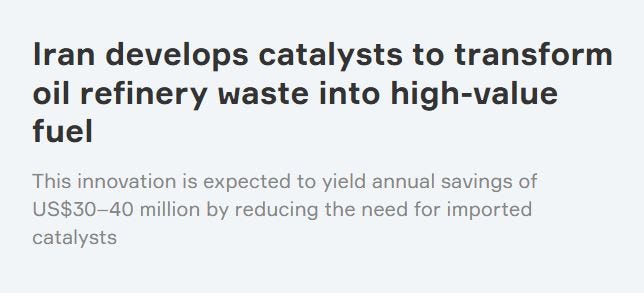
Where there’s a will, there’s a way.
Maybe the Russians can succeed. If they can, , it will pay off in the future.
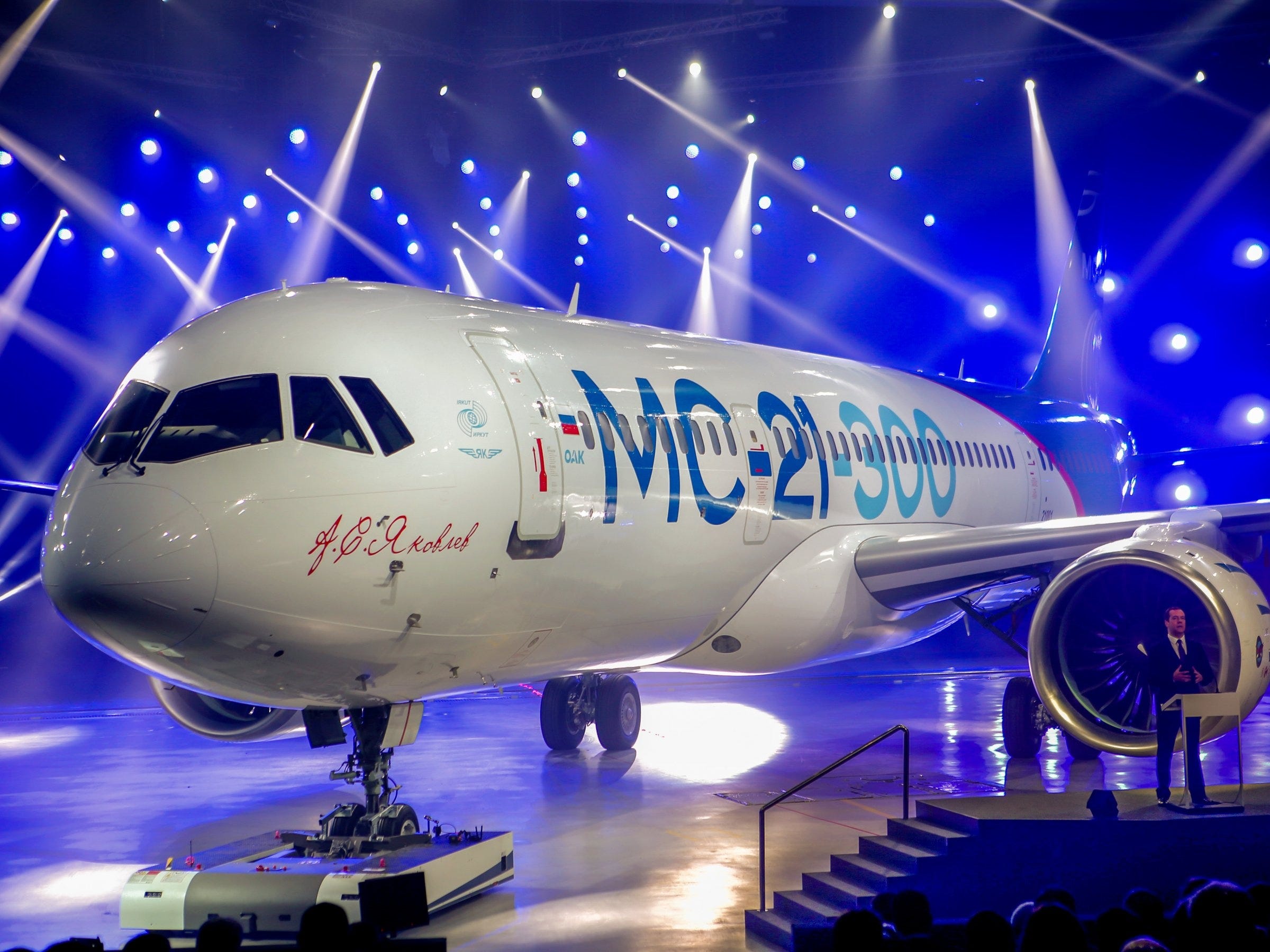
No one thought Russia could manufacture a large passenger aircraft like the MC21 entirely from Russian components — but it proved the critics wrong and it is superior in several ways to Western competitors..
Earthquakes
In Japan, you get used to earthquakes. Some people panic. Some don’t. Doctors keep on doing what they do. Me. I sleep. Of finish my coffee.
Support New Forensics
Cats sense earthquakes often before they happen. Their sensory systems are much better than ours. So I live with two quake detectors.
Please donate to support feline disaster prevention by clicking on the graphic or the url below.

I would really like to get to 5000 subscribers. If you like my work, share the urls on other blogs and sites and in comments on podcasts.
Show us you care by buying us coffee at https://buymeacoffee.com/julicow
You may be familiar with the old joke "where there's a will, there's a lawyer" - well just by coincidence, Mr. Putin is indeed a lawyer ...
Interesting that China and Russia have reached more or less the same conclusion: capitalism is a good servant but a terrible master.
Meanwhile "the West" is enslaved by the religious belief in selfish dog-eat-dog beggar-your-neighbour free enterprise. According to which it is morally wrong to help anyone else.